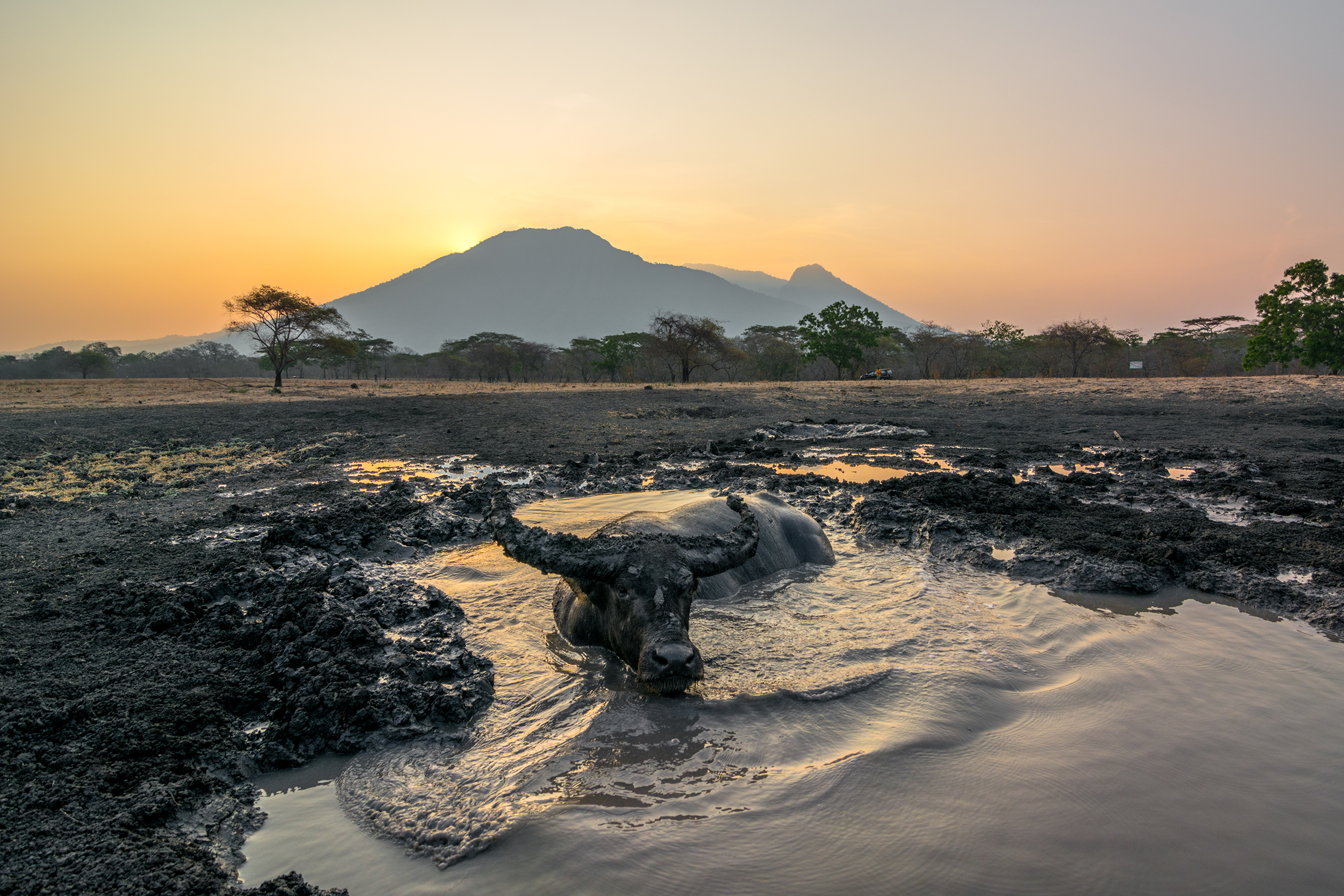
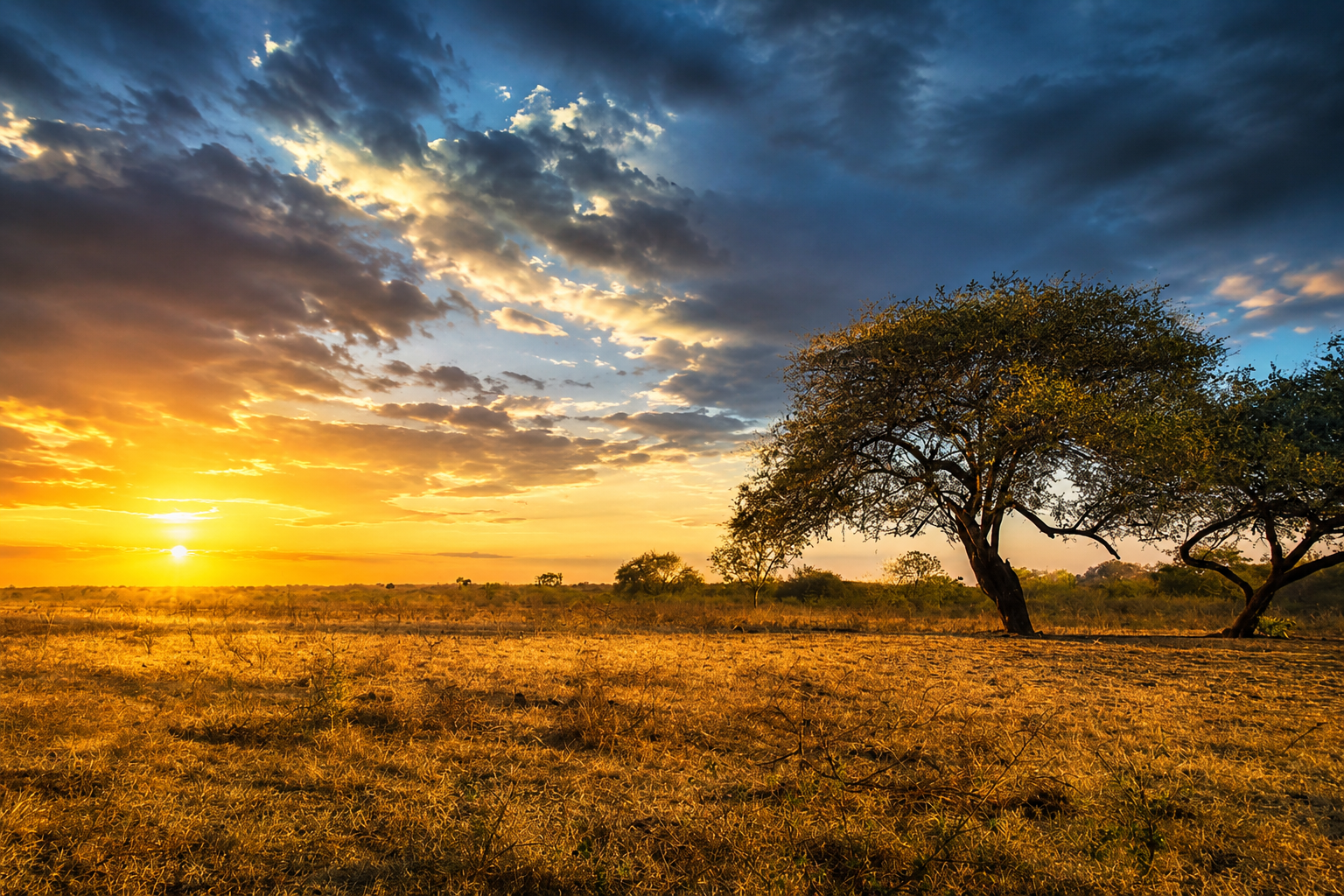
 Baluran National Park is one of the national parks in Indonesia located in the Banyuputih area, Situbondo, East Java, Indonesia. Its name is derived from the name of the mountain in this area, Mount Baluran. Initially, this national park area was designated as a protected forest in 1930 by the Director of the Bogor Botanical Gardens, K.W. Dammerman. Its status was then changed to a wildlife sanctuary by the Governor of the Dutch East Indies on September 25, 1937. A re-establishment as a wildlife sanctuary was carried out by the Minister of Agriculture and Agrarian Affairs through Decree No. SK/II/1962 dated May 11, 1962. The national park status was obtained on March 6, 1980, by the Minister of Agriculture and reaffirmed in 1997 by the Minister of Forestry. The area covers 25,000 hectares. Baluran National Park borders the Madura Strait to the north, the Bali Strait to the east, Wonorejo Village and the Bajulmati River to the south, and the Klokoran River and Sumberanyar Village to the west. The region is divided into a core zone of 12,000 hectares, a jungle zone of 5,537 hectares, an intensive use zone of 800 hectares, a special use zone of 5,780 hectares, and a rehabilitation zone of 783 hectares. Its management is divided into two sections: the National Park Management Section I Bekol and the National Park Management Section II Karangtekok. Section I includes the Bama, Lempuyang, and Perengan sites, while Section II includes the Watu Numpuk, Labuhan Merak, and Bitakol sites.
The entrance to Baluran National Park is located at 7°55’17.76″S and 114°23’15.27″E. This national park consists of savanna, mangrove forest, seasonal forest, coastal forest, low mountain forest, swamp forest, and evergreen forest types. The savanna vegetation type dominates the Baluran National Park area, accounting for about 40 percent of the total land area.
History
Before the year 1928 AH, Loedeboer, a Dutch national hunter who owned plantation concession areas in Labuhan Merak and Gunung Mesigit, once stopped by Baluran. He had shown interest and believed that Baluran had significant value for wildlife protection, particularly for large mammal species.
In 1930, KW. Dammerman, serving as the Director of the Bogor Botanical Gardens, proposed the need for Baluran to be designated as a protected forest.
In 1937, the Governor-General of the Dutch East Indies established Baluran as a Wildlife Sanctuary with decree GB. No. 9 dated September 25, 1937, Stbl. 1937 No. 544.
In the post-independence era, Baluran was reestablished as a Wildlife Sanctuary by the Minister of Agriculture and Agrarian Affairs of the Republic of Indonesia with Decree No. SK/II/1962 dated May 11, 1962.
On March 6, 1980, coinciding with World Conservation Strategy Day, the Baluran Wildlife Sanctuary was announced as a National Park by the Minister of Agriculture.
Ecosystem
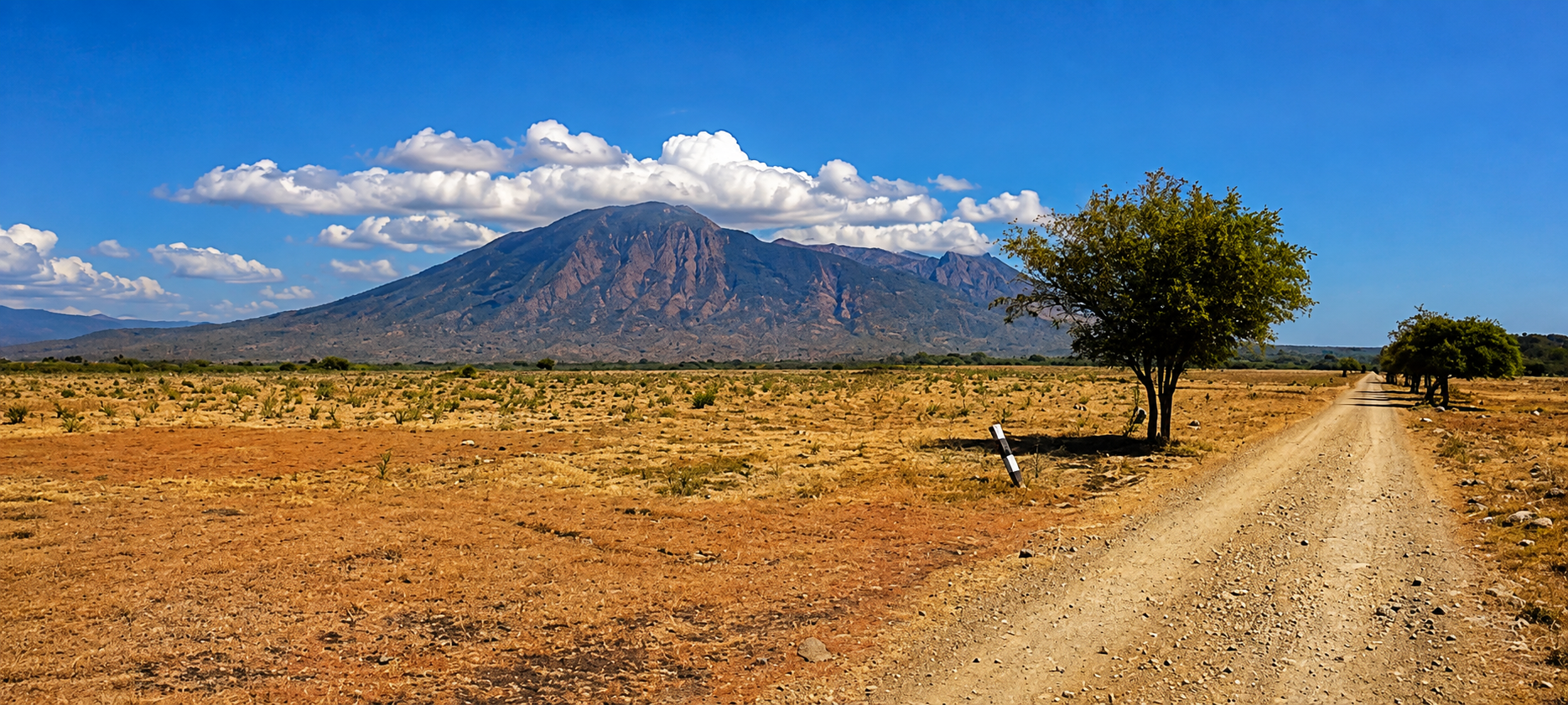 Baluran National Park is geologically divided into mountainous land and seabed. The mountainous soil consists of rocky volcanic soil. The mountain slopes are quite high and steep. Some mountainous areas also feature deep alluvial soil in the lowlands. Meanwhile, the seabed soil is only found in the sandy plains along the mangrove forest. In the lowlands, half of the area consists of black soil covered with savanna grass. This black soil creates a fertile region rich in minerals. The soil lacks organic material, resulting in poor physical conditions for plants and a porous texture. Baluran National Park is predominantly savanna. The ecosystem is unstable and adapts to the climate and wildlife. The elevation of the land is divided into flat land, rolling land, and steep land. The flat land has an elevation between 0-124 meters above sea level. The rolling land has an elevation of 125-900 meters above sea level. In contrast, the steep land has an elevation of more than 900 meters above sea level. Steep coral reefs are spread along the coastline in Mesigit, Balanan, and Montor. The area of flat land is approximately 1,500-2,000 hectares in the southeastern part, namely the Bekol savanna, Semiang, and surrounding areas. The rolling land covers an area of around 8,000 hectares, including the Balanan, Kramat, Talpat, Labuhan Merak, Air Tawar, Karangtekok savannas, and their surroundings.
Vegetation
This national park has around 444 species of plants, among which are native plants that are distinctive and able to adapt to very dry conditions. The distinctive plants include:
- Widoro bukol (Ziziphus rotundifolia)
- Mimba (Azadirachta indica)
- Pilang (Acacia leucophloea)
Other plants include:
- Tamarind (Tamarindus indica)
- Gadung (Dioscorea hispida)
- Candlenut (Aleurites moluccana)
- Gebang (Corypha utan)
- Api-api (Avicennia sp.)
- Kendal (Cordia obliqua)
- Salam (Syzygium polyanthum)
- Kepuh (Sterculia foetida)
Wildlife
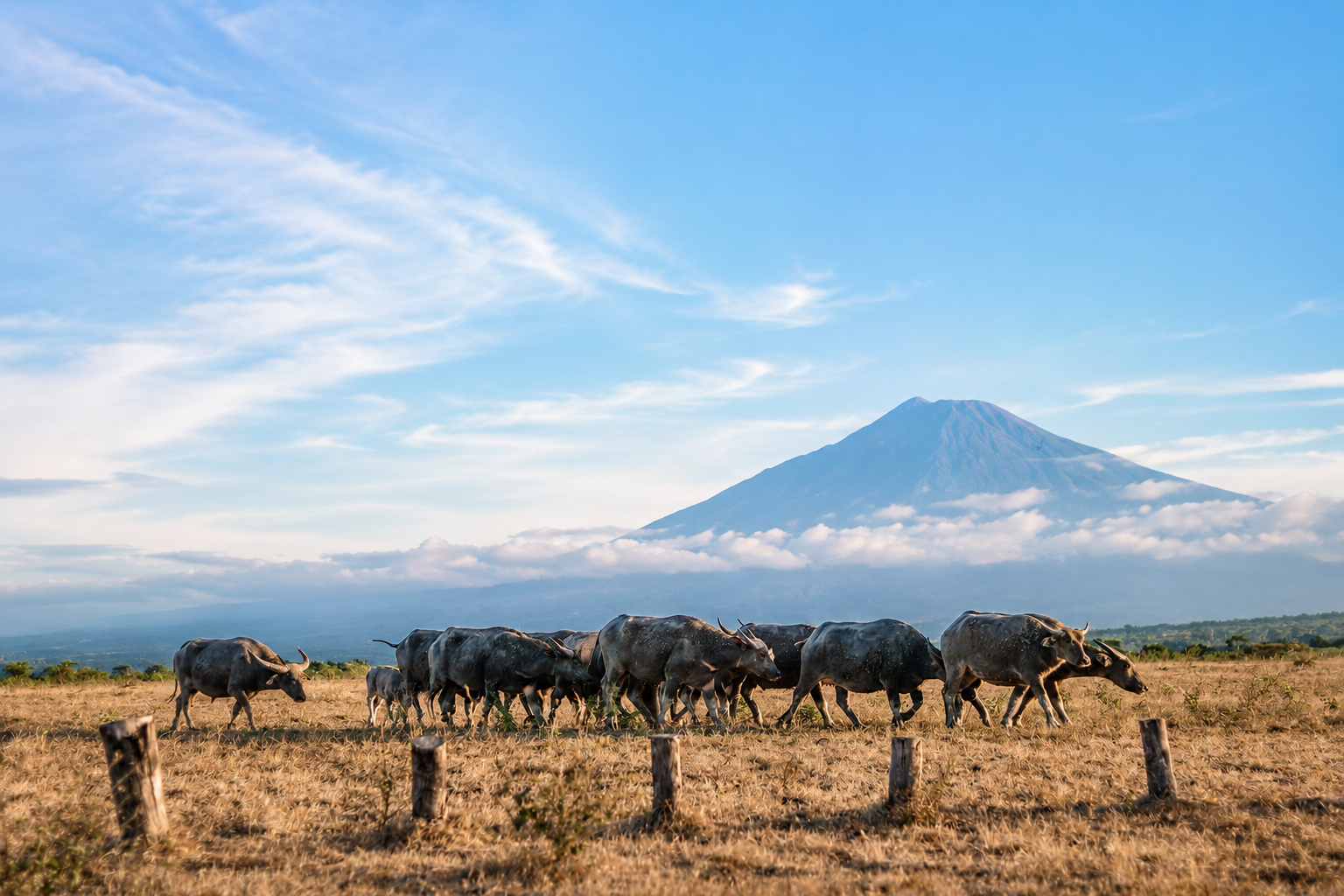 This national park is home to 26 species of mammals, including:
- Banteng (Bos javanicus javanicus)
- Wild buffalo (Bubalus bubalis)
- Ajag (Cuon alpinus javanicus)
- Muntjac (Muntiacus muntjak muntjak)
- Deer (Cervus timorensis russa)
- Javan leopard (Panthera pardus melas)
- Kancil (Tragulus javanicus pelandoc)
- Fishing cat (Prionailurus viverrinus)
The banteng is the mascot/distinctive feature of Baluran National Park.
Additionally, there are about 155 species of birds, including rare birds such as:
- Barn swallow (Hirundo rustica)
- Asian koel (Eudynamys scolopacea)
- Peafowl (Pavo muticus)
- Red junglefowl (Gallus gallus)
- Great hornbill (Anthracoceros convexus)
- Rhinoceros hornbill (Buceros rhinoceros)
- Javanese stork (Leptoptilos javanicus)
- Green junglefowl (Gallus varius)
- Bido snake eagle
- Brontok eagle
This national park is divided into several observation posts. The posts in this national park include:
- Batangan. Here, there are historical remnants in the form of Japanese caves, peafowls during mating season (between October/November), and camping facilities, including an information center.
- Bekol and Semiang. Here, there are wildlife observation facilities for wildfowl, peafowls, deer, muntjacs, banteng, wild buffalo, and birds. Facilities here include a research lodge, guesthouse, and viewing tower.
- Bama, Balanan, and Bilik. This location offers marine tourism, fishing, diving/snorkeling, and attractions such as male deer fighting (in July/August) and a troop of gray monkeys fishing for crabs with their tails during low tide.
- Manting and Air Kacip. Here, there is a water source that never runs dry throughout the year, serving as a habitat for leopards.
- Popongan, Sejile, Sirontoh, Kalitopo. Here, there are facilities for boating in calm seas, observing various species of ornamental fish, and birdwatching for migratory birds.
- Curah Tangis. Here, there are facilities for rock climbing activities with heights ranging from 10-30 meters and slopes of up to 85%.
The best visiting season is from March to August each year.